Sentai Cement Production Line: High-Efficiency Solution for Construction Material Manufacturing
Jun 22,2026
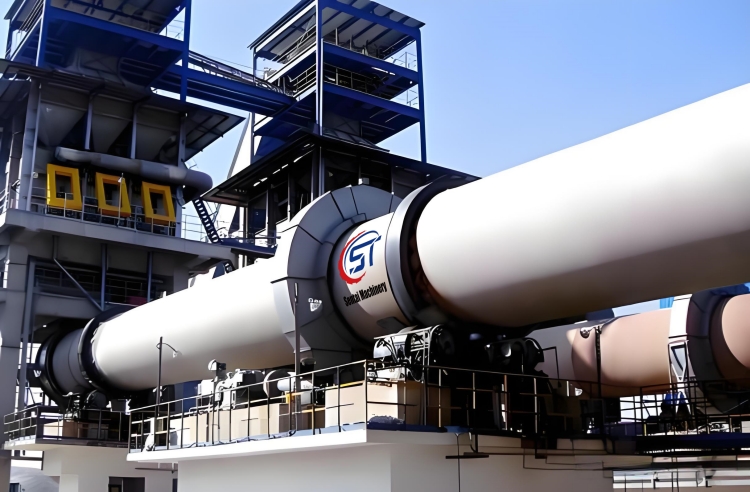
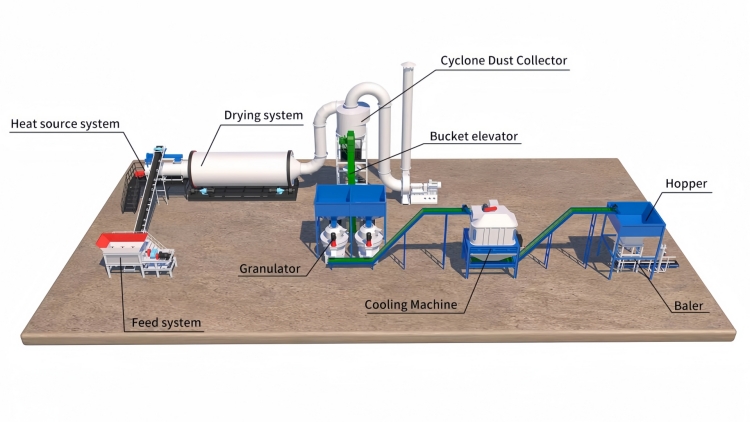
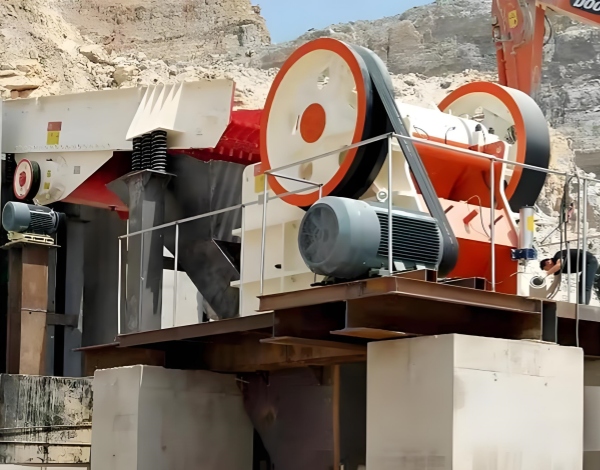
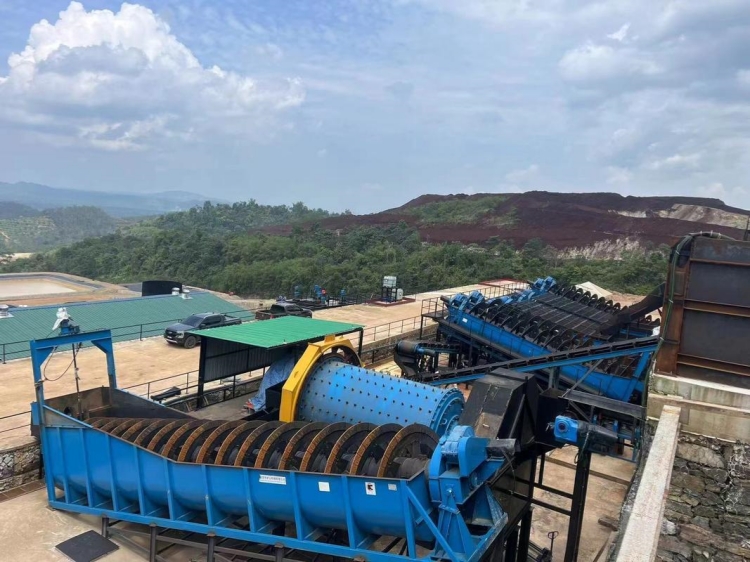
Sentai Cement Production Line is professionally designed to process soft-to-medium-hard mineral materials, including limestone, gypsum, marble, calcite, dolomite, and similar feedstock. It accommodates raw material particle sizes from 5mm to 500mm, utilizing high-temperature rotary calcination technology to heat limestone, clay, and auxiliary components, thereby producing high-quality cement clinker. In addition to clinker production, the line can also process these minerals into construction-grade aggregates. Backed by decades of engineering expertise, Sentai Machinery delivers complete cement rotary kiln production lines that excel in low energy consumption, cost-effective investment, simplified maintenance, and high operational efficiency.
Production Process
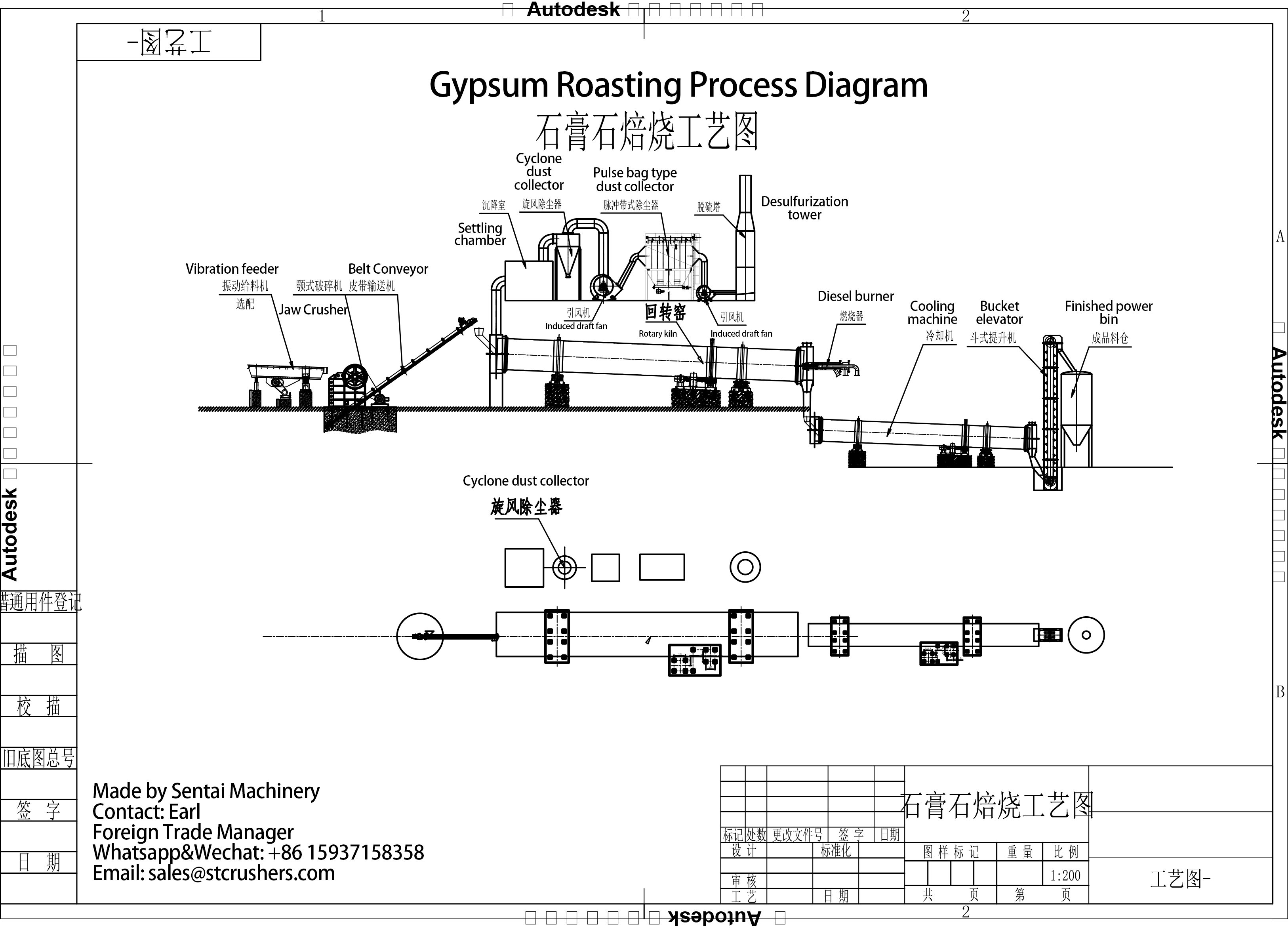
- Crushing & Homogenization: Large limestone lumps and other raw materials are first crushed into smaller particles. The crushed materials are then evenly distributed across the stockyard through a layered stacking and reclaiming method, ensuring consistent chemical composition and eliminating component segregation.
- Raw Material Grinding: The homogenized mixture is fed into large-scale vertical mills, where it is ground into ultra-fine powder. Simultaneously, hot waste gas from the kiln tail is used to dry the material, achieving simultaneous grinding and drying to enhance process efficiency. The resulting product is known as "raw meal powder."
- Preheating & Precalcination: The raw meal powder is introduced into the preheater and precalciner, where it is rapidly heated to around 900°C. At this temperature, more than 80% of limestone decomposition (calcination) reactions are completed, significantly reducing the workload of the subsequent rotary kiln.
- Rotary Kiln Calcination: The precalcined material enters the rotary kiln, where it is heated to a maximum temperature of 1450°C. Under high-temperature conditions, the material undergoes partial melting and a series of complex chemical reactions, ultimately sintering into small, dark, glassy spherical particles—referred to as cement clinker.
- Cooling: The red-hot cement clinker (at approximately 1300°C) is immediately discharged into a grate cooler, where it is rapidly cooled by forced cold air. This rapid cooling preserves the clinker’s high reactivity while recovering over 70% of the waste heat, which is recycled for preheating combustion air or raw materials, optimizing energy efficiency.
- Blending: The cooled clinker is proportionally mixed with gypsum (to regulate cement setting time) and supplementary materials such as fly ash, slag, or pozzolana. These additives not only improve the final cement’s performance (e.g., workability, compressive strength) but also reduce production costs and environmental footprint.
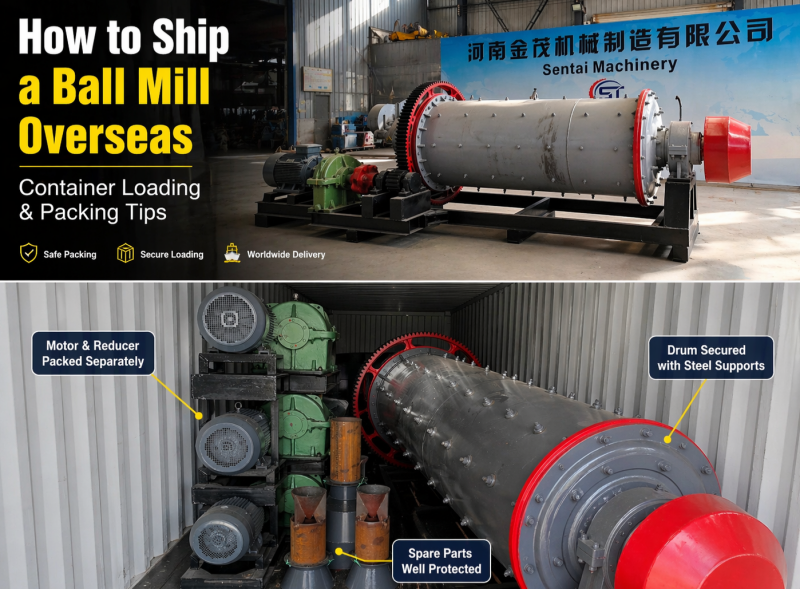
- Cement Grinding: The blended mixture is fed into cement mills (ball mills or vertical roller mills), where it is ground into ultra-fine powder that meets international cement quality standards (e.g., ASTM C150, EN 197-1). The finished cement is then stored in silos for packaging or bulk delivery.
Process Advantages
- High-Quality Steel Structure: Temperature-Resistant & Crack-Proof: The kiln shell is manufactured from high-grade carbon steel or alloy steel plates via precision roll forming and automated submerged arc welding, ensuring structural stability. Roller rings are crafted from ZG35CrMo or 42CrMo alloy steel, offering excellent high-temperature resistance and wear resistance, preventing deformation and cracking during long-term continuous operation.
- Robust Large Gear Design: Smooth & Durable Operation: The kiln’s large gear adopts a split-type structure with precision gear hobbing and grinding. This design minimizes the impact of kiln shell deflection on meshing accuracy, provides effective shock absorption, and reduces wear on the kiln lining—extending the service life of key components by 30% compared to standard designs.
- High Kiln Speed & Enhanced Production Capacity: Equipped with advanced variable-frequency speed control, the rotary kiln operates at an optimized speed (3-4 RPM), improving material turnover efficiency. Combined with advanced waste heat recovery technology, the line achieves a high unit volume output—up to 5,000 tons of clinker per day for large-scale configurations.
- Superior Sealing & Comprehensive Waste Heat Utilization: The kiln head and tail feature airtight labyrinth seals, minimizing cold air leakage and maximizing waste heat recovery. Integrated with high-efficiency dust removal systems (baghouse filters + electrostatic precipitators), the line complies with strict international environmental standards (emissions ≤10 mg/m³). Comprehensive waste heat utilization reduces thermal consumption to ≤720 kcal/kg clinker, realizing both high clinker quality and low energy consumption.



 WhatsApp
 Email
Email
 +86 15538010601