
STCrushers Is A Professional Minging Equipment Manufacturer since 2004, Providing High Quality Crushers, Sand Making Machines, Drying Equipment and more.
STCrushers Is A Professional Minging Equipment Manufacturer since 2004, Providing High Quality Crushers, Sand Making Machines, Drying Equipment and more.
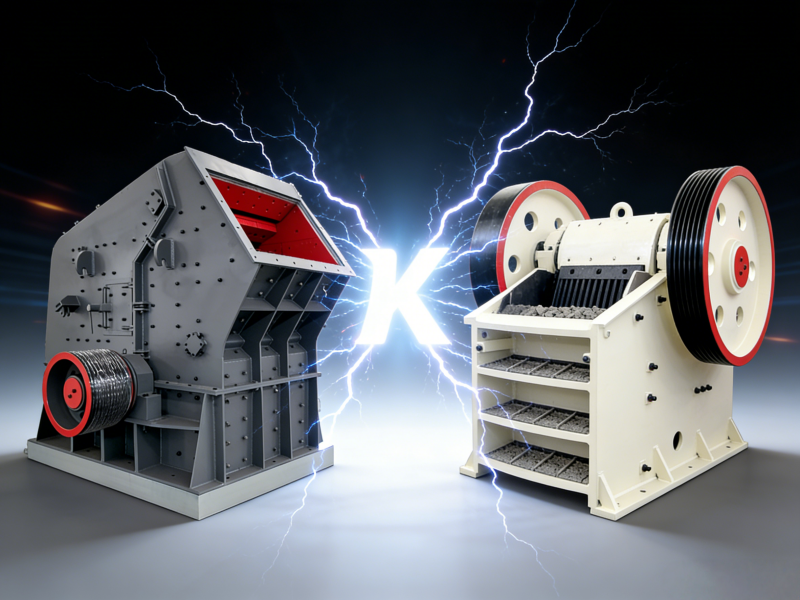
When planning a crushing plant, many buyers ask the same question: should I choose a jaw crusher or an impact crusher? Both machines are widely used in aggregate production, mining, and construction material processing, but they serve different purposes in the crushing process.
Understanding the difference between jaw crushers and impact crushers can help you make a better investment decision and avoid costly configuration mistakes.
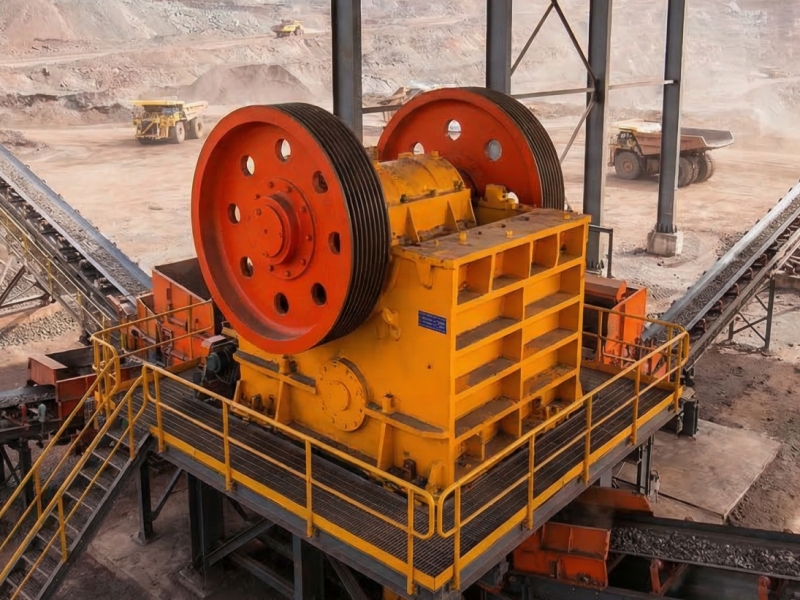
A jaw crusher works by compressing material between a fixed jaw plate and a moving jaw plate. It is mainly used for primary crushing. The machine is designed to handle large feed sizes and break big stones into smaller pieces. Jaw crushers are known for their simple structure, strong crushing force, and ability to process hard materials such as granite, basalt, and river stone.
An impact crusher, by contrast, crushes material through impact force. The rotor rotates at high speed, and the blow bars strike the material, throwing it against impact plates. This process is suitable for secondary crushing and for producing better-shaped aggregates. Impact crushers are often used for limestone, concrete recycling, and medium-hard stone processing.
One of the biggest differences between the two machines is their place in the production line. Jaw crushers are usually used at the first stage because they can accept larger feed material. Impact crushers are commonly installed after a jaw crusher for secondary crushing, especially when the customer wants smaller output size and improved particle shape.
Another important difference is material suitability. Jaw crushers are more suitable for hard and abrasive stone. Their compression-based working principle is highly effective for tough rock. Impact crushers can also process a wide range of materials, but for very hard or highly abrasive stone, wear parts may wear faster. For softer materials such as limestone, impact crushers often perform very well and provide excellent aggregate shape.
Finished product shape is another major consideration. Jaw crushers generally produce more elongated particles because they focus on primary reduction. Impact crushers produce more cubic and uniform particles, which is beneficial for concrete, asphalt, and other applications where aggregate shape matters. If the project places high value on particle shape, an impact crusher may be the better secondary option.
In terms of feed size, jaw crushers accept larger material. This makes them more suitable for primary crushing directly from quarry blasting or large raw stone piles. Impact crushers usually require smaller feed material and are better suited to the second stage of crushing.
Wear and maintenance should also be considered. Jaw crushers have wear parts such as jaw plates, but they are generally known for stable operation and relatively straightforward maintenance. Impact crushers have blow bars and impact plates that may need more frequent replacement depending on the material. However, for certain materials and product specifications, the better shaping effect of an impact crusher can justify that wear cost.
When comparing operating cost, the answer depends on the application. If you are crushing hard stone at high volume, a jaw crusher is often a cost-effective primary solution. If your project needs a high-quality shaped final product, an impact crusher can add value by improving aggregate quality. In many production lines, the best solution is not choosing one over the other, but combining both in the correct order.
So which one should you choose?
Choose a jaw crusher if: - You need primary crushing - Your feed material is large - Your stone is hard or abrasive - You want a strong and durable first-stage crusher
Choose an impact crusher if: - You need secondary crushing - You want better particle shape - You are processing limestone or medium-hard materials - Your final product is used in higher-grade aggregate applications
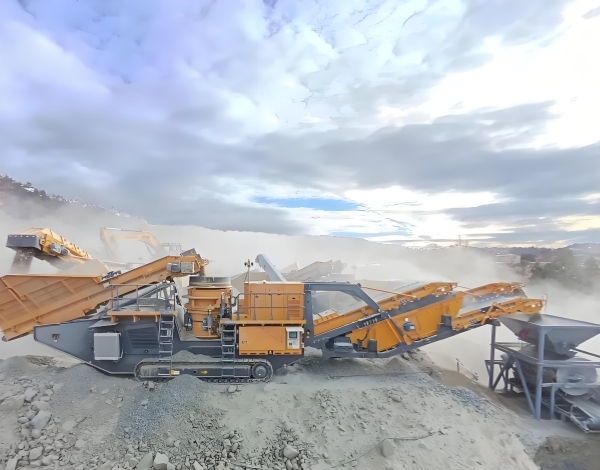
In many cases, the most efficient configuration is a jaw crusher for primary crushing followed by an impact crusher for secondary crushing. This combination can provide both strong reduction capacity and improved final product shape.
At Sentai machinery, we help customers choose suitable crushers based on material hardness, feed size, final size requirement, and target capacity. A well-matched configuration can reduce wear, increase output, and improve overall plant performance.
Not sure whether your project needs a jaw crusher, an impact crusher, or both? Send your material details to Sentai machinery for a tailored recommendation.
Related Articles:
How to Choose the Right Stone Crusher for Your Project
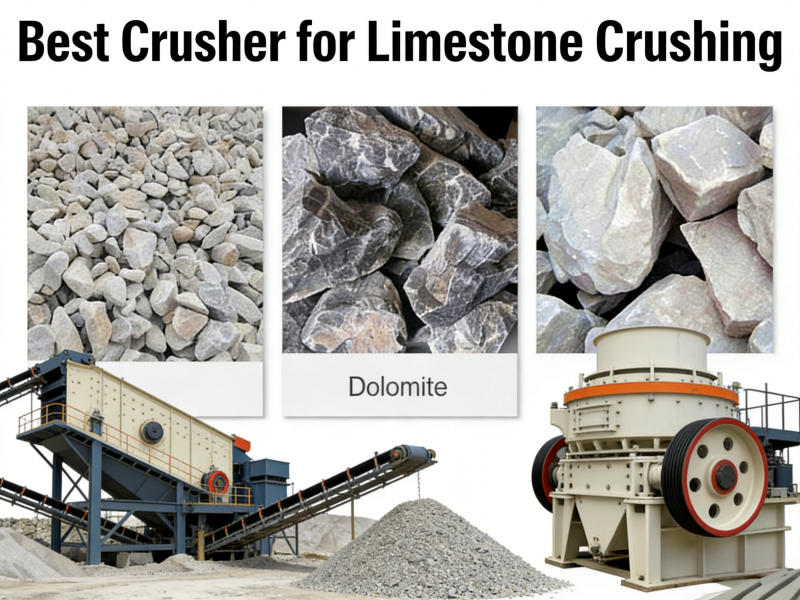
Best Crusher for Limestone Crushing
Why Is My Jaw Crusher Output Too Low? Common Causes and Solutions



 WhatsApp
 Email
Email
 +86 15538010601