
STCrushers Is A Professional Minging Equipment Manufacturer since 2004, Providing High Quality Crushers, Sand Making Machines, Drying Equipment and more.
STCrushers Is A Professional Minging Equipment Manufacturer since 2004, Providing High Quality Crushers, Sand Making Machines, Drying Equipment and more.
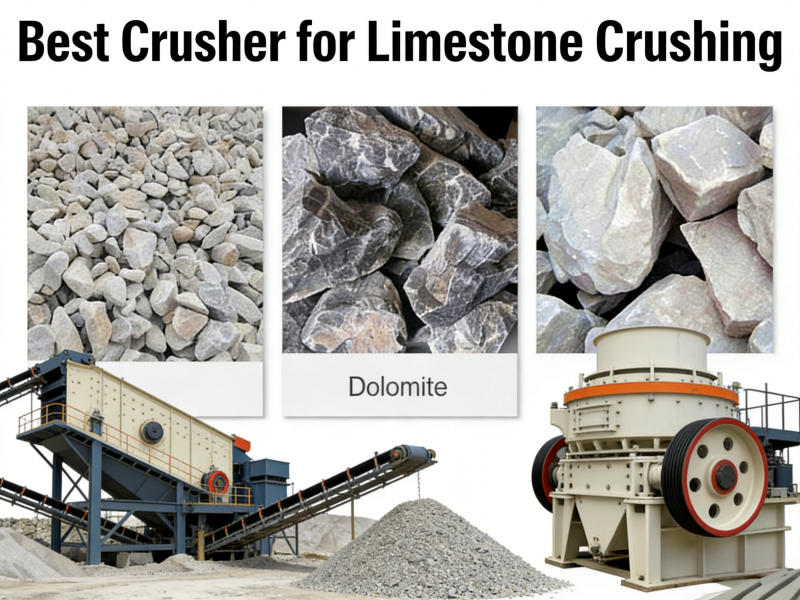
Limestone is one of the most common raw materials in construction, cement, road base, and aggregate production. Because of its wide availability and relatively moderate hardness, it is processed in many kinds of crushing plants. However, choosing the best crusher for limestone still requires careful consideration. The right machine depends on feed size, target output, capacity, and final product use.
Limestone is generally softer than granite or basalt, which means it can be processed efficiently by several types of crushers. This gives buyers more flexibility, but it also means the selection should be based on the exact production goal.
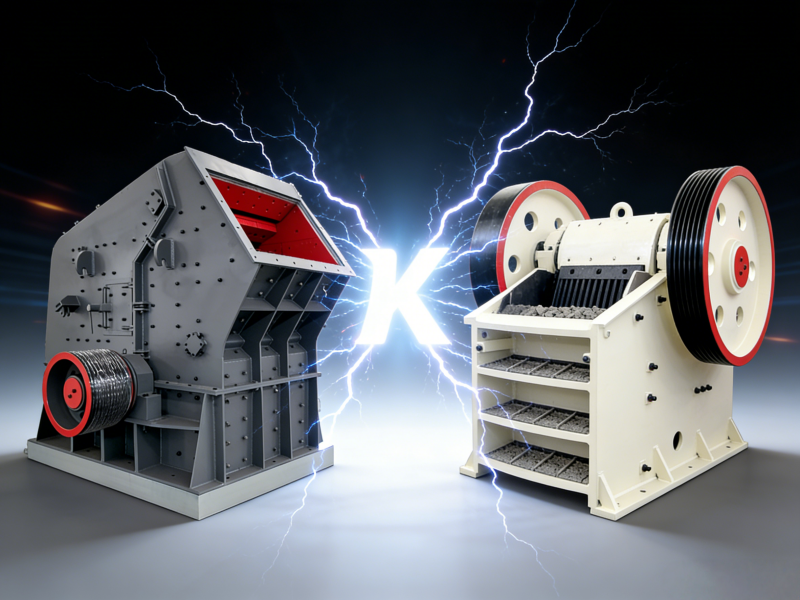
For most limestone plants, the first stage is primary crushing. If the feed material is large, such as blasted stone from a quarry, a jaw crusher is usually the best option. Jaw crushers can handle large feed sizes and provide stable primary reduction. They are simple, reliable, and suitable for continuous operation. For many quarry owners, a jaw crusher is the foundation of the limestone crushing process.
After primary crushing, the next question is whether the project needs secondary crushing, fine crushing, or shaping. This depends on the final product requirements. If the customer needs road stone, aggregate for concrete, or smaller particle sizes, an impact crusher is often a very good choice for limestone. Because limestone is not as abrasive as harder rocks, impact crushers can work efficiently while also producing more cubic particles. This better particle shape is valuable in higher-quality construction applications.
In some situations, a heavy hammer crusher may also be a strong solution for limestone. One of the advantages of a hammer crusher is that it can combine crushing stages and simplify the process flow. For suitable limestone feed conditions, it may reduce investment in secondary equipment. This makes it attractive for some small and medium-sized production lines. However, the selection depends on feed size control, output requirement, and expected wear conditions.
If the project needs manufactured sand from limestone, then a sand making machine may be added after the main crushing stage. This helps create finer material with more controlled particle shape. In this type of plant, the line may include a jaw crusher, impact crusher, vibrating screen, and sand making machine, depending on the capacity and product standards.
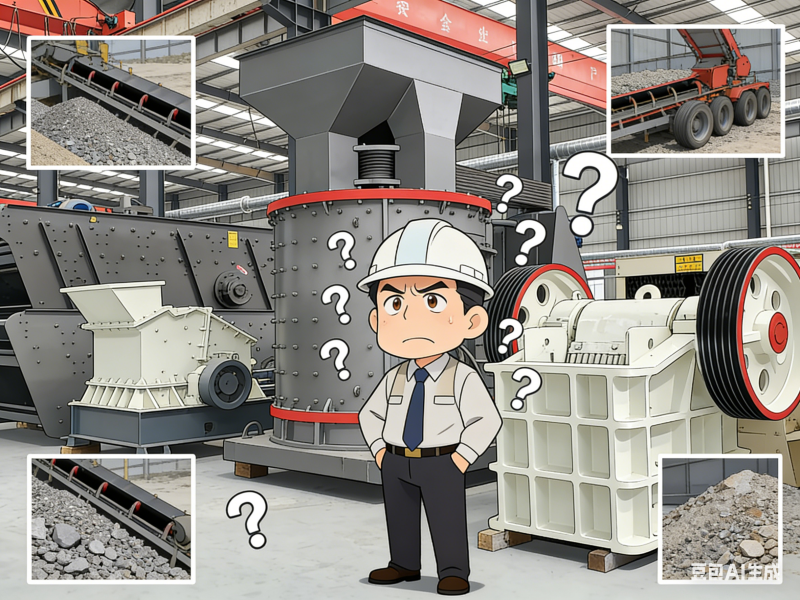
When selecting the best crusher for limestone, buyers should pay attention to several factors.
The first is feed size. Very large limestone rocks usually need a jaw crusher in the first stage. Smaller feed may allow a more compact configuration.
The second is required output size. If you only need coarse aggregate, the process may be simpler. If you need multiple aggregate sizes or fine material, the configuration will be more complex.
The third is finished product shape. In many construction projects, a cubic shape is preferred. This makes impact crushers especially useful in secondary crushing of limestone.
The fourth is capacity requirement. A plant producing 50 tons per hour has a different configuration from one producing 300 tons per hour. Crusher model, screen size, and conveyor layout all need to match capacity.
The fifth is operating cost and maintenance. Buyers should consider wear parts, energy consumption, and downtime. Limestone is easier to crush than hard rock, but efficient operation still depends on good equipment matching.
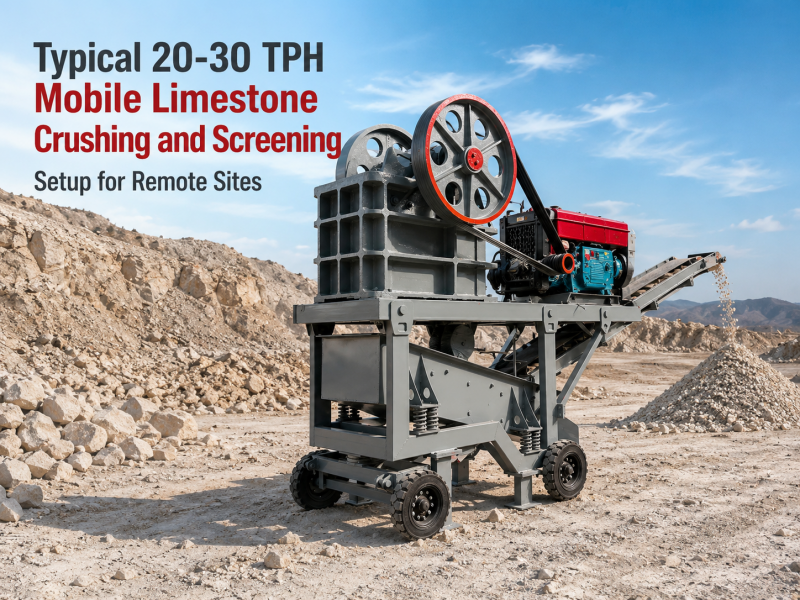
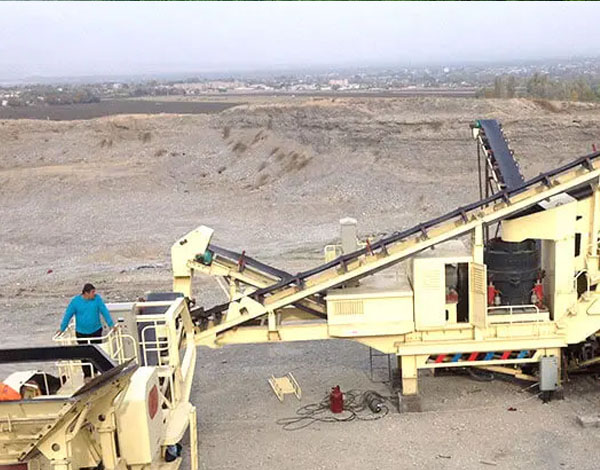
A common limestone crushing line may include: - Vibrating feeder - Jaw crusher for primary crushing - Impact crusher for secondary crushing - Vibrating screen for size classification - Belt conveyors for transport
If finer products or sand are required, the line may also include a sand making machine and possibly a sand washing system.
So what is the best crusher for limestone? In many practical cases, the answer is: - Jaw crusher for primary crushing - Impact crusher for secondary crushing and better shape - Heavy hammer crusher as an alternative in some simplified limestone lines
There is no single universal answer for every project. The best crusher is the one that matches your raw material size, target output, budget, and site layout.
At Sentai machinery, we help customers design limestone crushing lines based on actual production goals. Whether you need a compact plant or a larger aggregate production system, the correct crusher selection can improve efficiency and reduce investment risk.
Related Articles:
How to Choose the Right Stone Crusher for Your Project
 WhatsApp
 Email
Email
 +86 15538010601