
STCrushers Is A Professional Minging Equipment Manufacturer since 2004, Providing High Quality Crushers, Sand Making Machines, Drying Equipment and more.
STCrushers Is A Professional Minging Equipment Manufacturer since 2004, Providing High Quality Crushers, Sand Making Machines, Drying Equipment and more.
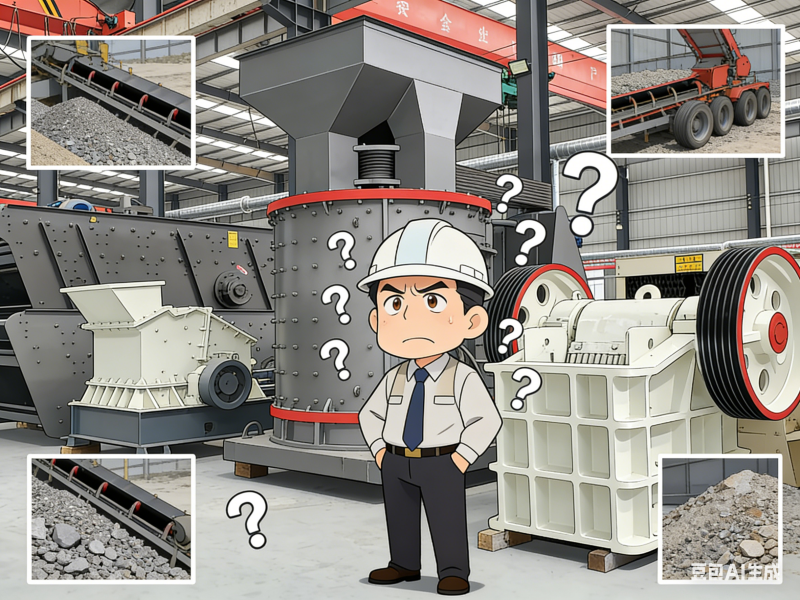
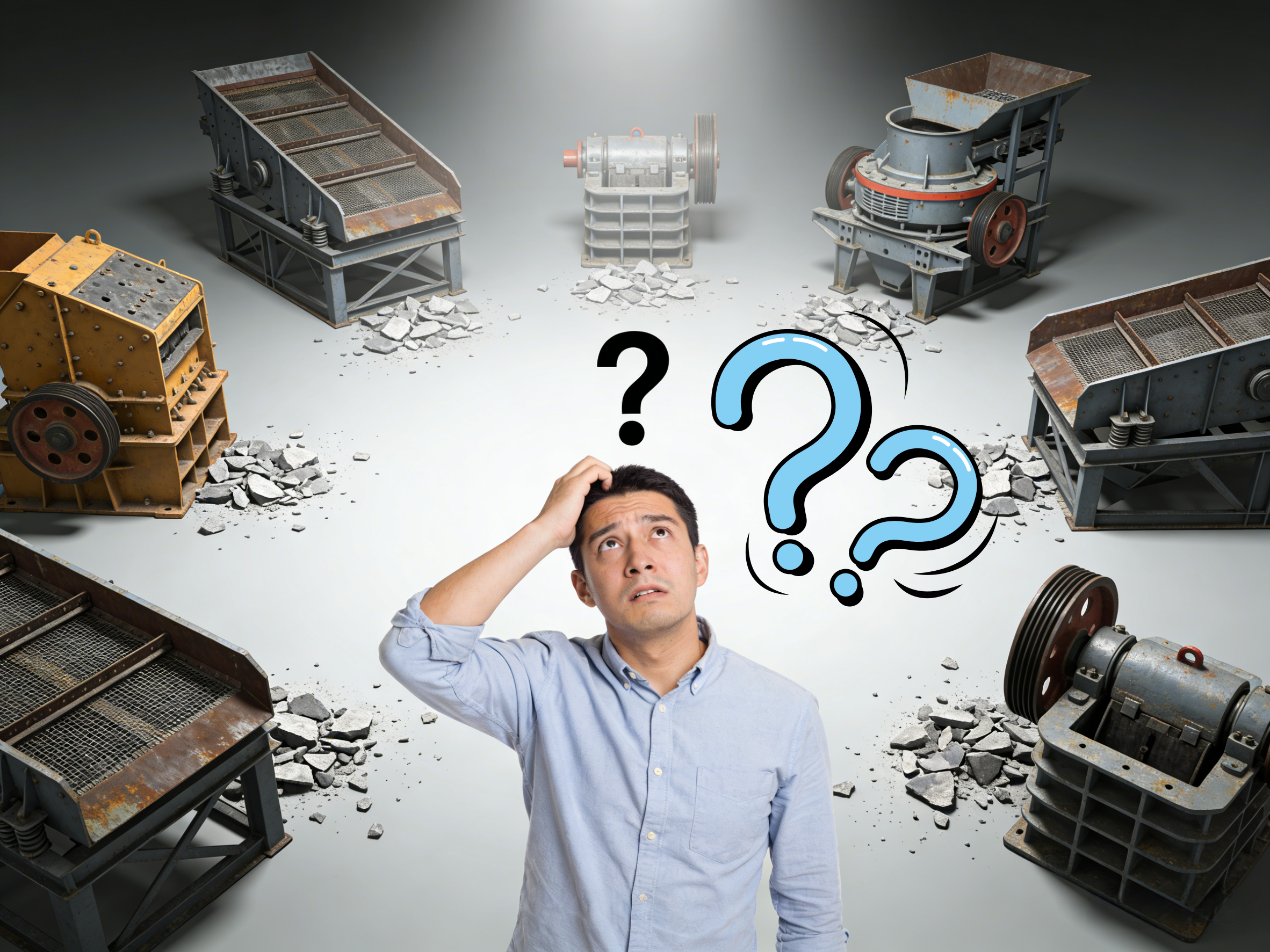
As natural sand resources become more restricted in many markets, manufactured sand has become increasingly important in construction, concrete production, and infrastructure projects. A well-designed sand making plant can produce high-quality artificial sand with stable gradation and particle shape. But what equipment is actually needed in a sand making plant?
The answer depends on the raw material, target capacity, required final sand specification, and whether washing is needed. However, most complete sand making plants include several essential types of equipment.
The first step is usually feeding. Raw stone or aggregate enters the plant through a vibrating feeder, which provides continuous and controlled material supply. Stable feeding is very important because it affects the efficiency of the crushers and the overall balance of the production line.
The next stage is primary crushing. If the raw material size is large, a jaw crusher is commonly used. It reduces large rocks into smaller sizes that can be handled by the next machines. For hard materials such as granite, basalt, or river stone, jaw crushers are especially important because of their strong compression capacity.
After primary crushing, the material often goes to secondary crushing. Depending on the stone type and plant design, this stage may use an impact crusher, cone-type crushing solution, or another suitable machine. The goal is to bring the material to a size that is appropriate for the sand making machine.
The core machine in the line is the sand making machine, often used to shape and finely crush the material into manufactured sand. This equipment is critical because it affects final particle shape, fineness, and quality. In many projects, the quality of the final sand depends heavily on this stage.
After sand making, the material is sent to a vibrating screen. Screening separates qualified sand from oversized particles. Oversized material can be returned to the crusher or sand maker for further processing in a closed circuit. This recycling process improves efficiency and helps control final product size.
In many applications, especially when the sand will be used for concrete or high-grade construction purposes, a sand washing machine is added. Washing removes excess stone powder, clay, and impurities. Clean sand usually has better market value and wider application potential.
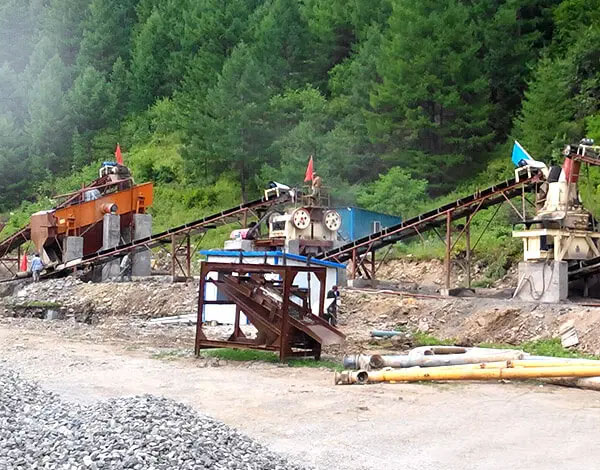
Belt conveyors connect the entire line and transport material between machines. Although they may look simple, conveyors are essential for stable plant operation. Poor conveyor layout can reduce efficiency and complicate maintenance.
In some projects, additional equipment may also be required. For example, a dust collection system can help control environmental pollution. A water recycling system may be needed if the plant includes washing and wants to reduce water consumption. A control cabinet is also important for safe and coordinated machine operation.
A typical sand making plant may include: - Vibrating feeder - Jaw crusher - Secondary crusher - Sand making machine - Vibrating screen - Sand washing machine - Belt conveyors - Electrical control system
Of course, not every plant uses the exact same configuration. The ideal design depends on the raw material.
For example, if the raw material is river pebbles, the line may need stronger crushing and shaping stages because the stone is hard and smooth. If the raw material is limestone, the crushing process may be simpler because limestone is easier to process. If the plant uses already crushed material as feed, the primary crusher may not be necessary.
When planning a sand making plant, buyers should pay attention to the following questions: - What is the raw material type? - What is the maximum feed size? - What is the target capacity per hour? - What fineness and grading are required? - Does the final sand need washing? - What is the site layout? - Is the customer aiming for road use, concrete use, or general construction use?
The most successful sand plants are not simply made of more machines. They are built with the right process logic. Equipment must be properly matched so that crushing, shaping, screening, and washing work together efficiently.
At Sentai machinery, we help customers configure sand making plants based on actual material conditions and final product requirements. Whether you need a compact line or a higher-capacity plant, selecting the right equipment combination is the key to stable sand quality and long-term profitability.
Need a complete sand making plant solution? Send your raw material details and target capacity to Sentai machinery for a customized equipment configuration.
Related Articles:
How to Design a 100 TPH Sand Production Line

 WhatsApp
 Email
Email
 +86 15538010601