
STCrushers Is A Professional Minging Equipment Manufacturer since 2004, Providing High Quality Crushers, Sand Making Machines, Drying Equipment and more.
STCrushers Is A Professional Minging Equipment Manufacturer since 2004, Providing High Quality Crushers, Sand Making Machines, Drying Equipment and more.
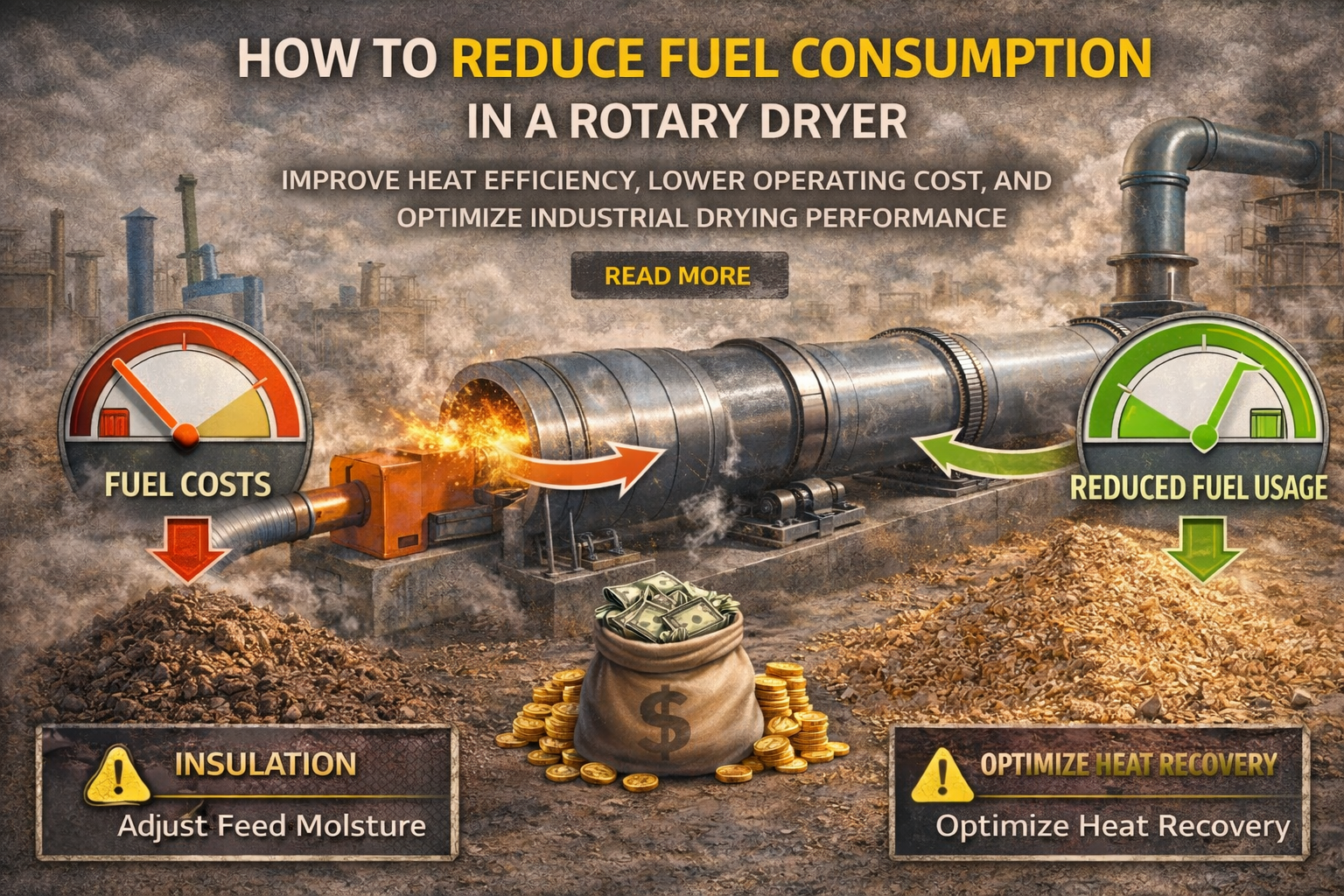
Fuel consumption is one of the biggest operating costs in a rotary dryer system. Whether the dryer is used for sand, sludge, sawdust, mineral powder, or other industrial materials, high fuel use can quickly reduce the profitability of the whole project. Many plant owners focus on equipment price when buying a dryer, but over time the real cost often depends more on how much fuel the system consumes every day.
So how can fuel consumption in a rotary dryer be reduced? The answer is not simply to lower the burner setting or reduce heat input. A dryer must still achieve the required output and final moisture. Real fuel saving comes from improving heat utilization and reducing waste throughout the entire drying process.
The first factor to check is raw material moisture. If the incoming material is wetter than expected, the dryer naturally needs more energy to remove the extra moisture. In many cases, fuel consumption rises not because the dryer is inefficient, but because the feed condition has changed. This is why operators should monitor feed moisture regularly and avoid judging fuel use without considering material condition.
The second important factor is feeding stability. Rotary dryers work more efficiently when material enters the system at a steady rate. If feeding fluctuates too much, heat use becomes uneven. In some periods, the system may waste heat because too little material is inside the drum. In other periods, excessive feed may overload the system and reduce drying effectiveness. Stable feeding helps turn more heat into useful drying work.
Another major point is heat source efficiency. The burner or furnace should operate under proper combustion conditions. Poor combustion wastes fuel and may also create unstable hot air temperature. If the heat source does not match the dryer demand, the system may consume more fuel while producing weaker drying results. Good burner control and fuel quality management are therefore essential.
Sealing performance also has a direct effect on fuel cost. If the dryer system has serious air leakage, cold outside air enters the process and lowers the internal temperature. The burner then has to consume more fuel to maintain the desired heat level. In many plants, improving sealing around the drum, inlet, outlet, and duct connections is one of the simplest ways to reduce unnecessary fuel use.
The condition of the airflow system matters as well. Hot air must move through the system in a controlled and effective way. If fan selection is poor, airflow distribution is unbalanced, or the dust collection and duct layout create too much resistance, energy use may rise and heat transfer may become less efficient. Proper airflow is a key part of fuel-saving operation.
Another common issue is insufficient internal heat exchange. The rotary drum is designed to lift and scatter the material so that it contacts the hot air more effectively. If internal material movement is poor, or if the feed condition prevents good heat contact, more fuel is needed to achieve the same drying result. Efficient material lifting and residence time improve thermal utilization.
Over-drying is another hidden source of fuel waste. Some plants use more heat than necessary and dry material beyond the actual moisture target. This adds fuel cost without increasing product value. Operators should define the practical target moisture clearly and avoid unnecessary thermal loss caused by excessive drying.
Routine maintenance also affects energy consumption. Build-up inside the drum, worn seals, dust accumulation, unstable burner condition, and neglected fan maintenance can all make the dryer consume more fuel over time. A well-maintained dryer usually operates more efficiently than one that is only repaired after serious problems appear.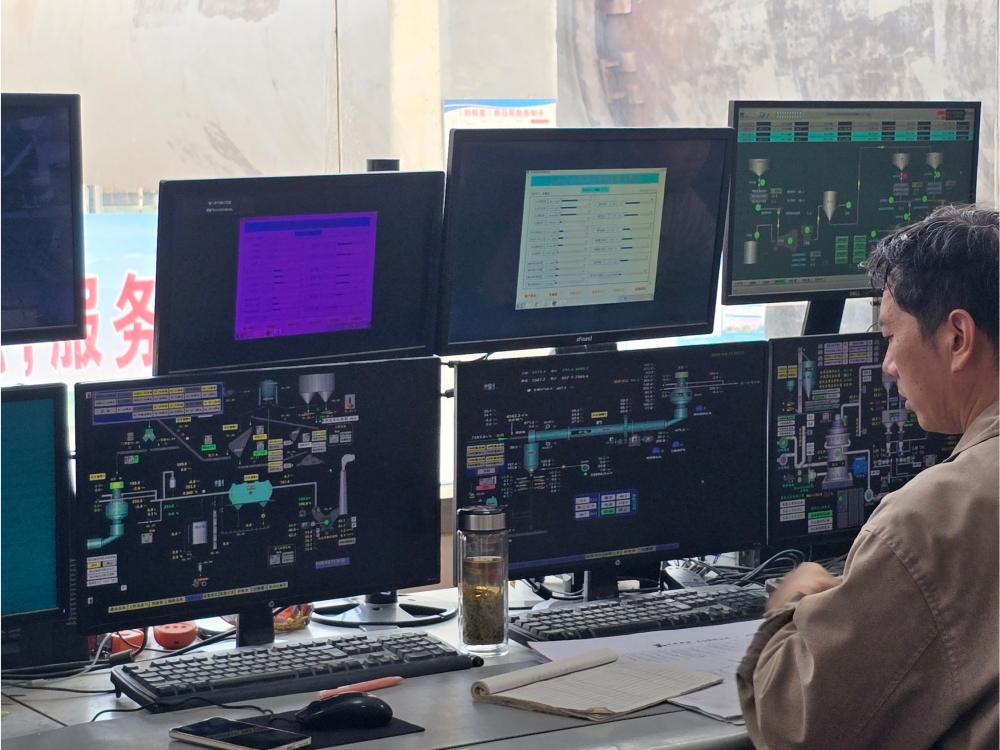
To reduce fuel consumption in a rotary dryer, operators should focus on:
1.Monitoring feed moisture regularly
2.Keeping feeding stable
3.Improving burner or furnace efficiency
4.Reducing air leakage through better sealing
5.Optimizing airflow and fan performance
6.Improving internal heat exchange
7.Avoiding unnecessary over-drying
8.Following a regular maintenance plan
It is also useful to record fuel use together with production output and moisture data. Fuel cost should not be judged alone. It should be compared with feed moisture, final moisture, and actual throughput. This makes it easier to see whether the system is truly efficient or simply consuming more energy to compensate for another problem.
In summary, reducing fuel consumption in a rotary dryer means reducing wasted heat while maintaining production performance. The best results usually come from better process matching, improved sealing, stable feeding, and more effective heat utilization. Fuel saving is not only a technical improvement but also a direct economic benefit for the user.
At Sentai machinery, we help customers optimize dryer systems based on actual material condition, heat source, and production target. Lower fuel consumption is one of the most important ways to improve the long-term value of an industrial drying project.
Want to reduce rotary dryer fuel cost without sacrificing output? Contact Sentai machinery with your material moisture, capacity, and fuel condition for a practical energy-saving suggestion.
Related Articles:
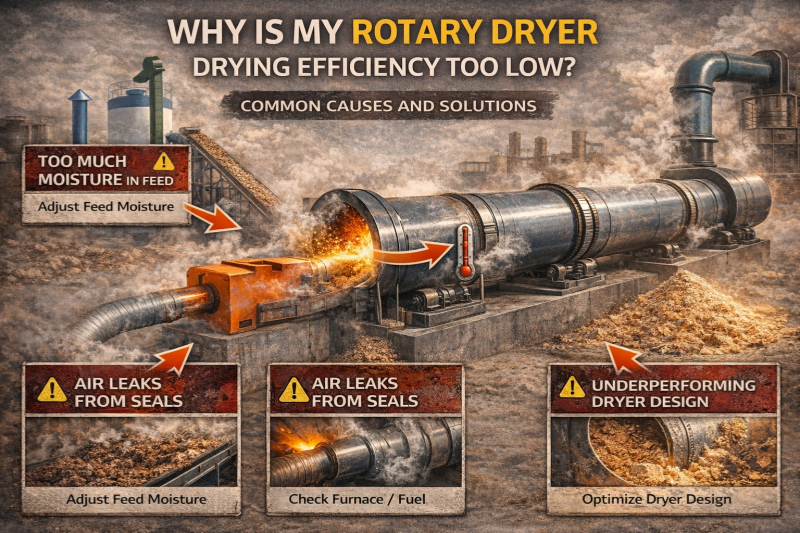
Why Is My Rotary Dryer Drying Efficiency Too Low? Common Causes and Solutions




 WhatsApp
 Email
Email
 +86 15538010601