
STCrushers Is A Professional Minging Equipment Manufacturer since 2004, Providing High Quality Crushers, Sand Making Machines, Drying Equipment and more.
STCrushers Is A Professional Minging Equipment Manufacturer since 2004, Providing High Quality Crushers, Sand Making Machines, Drying Equipment and more.
A ball mill is one of the most important machines in a mineral processing plant. It is widely used in ore grinding, beneficiation preparation, and fine material processing. But choosing the right ball mill is not just a matter of selecting a machine with a larger size or higher motor power. The correct choice depends on the material, required grinding fineness, plant capacity, and the design of the entire processing line.
If the ball mill is not properly selected, the plant may face low grinding efficiency, unstable product fineness, high energy consumption, and unnecessary maintenance cost. A well-matched ball mill, by contrast, can improve mineral liberation and support more stable downstream separation performance.
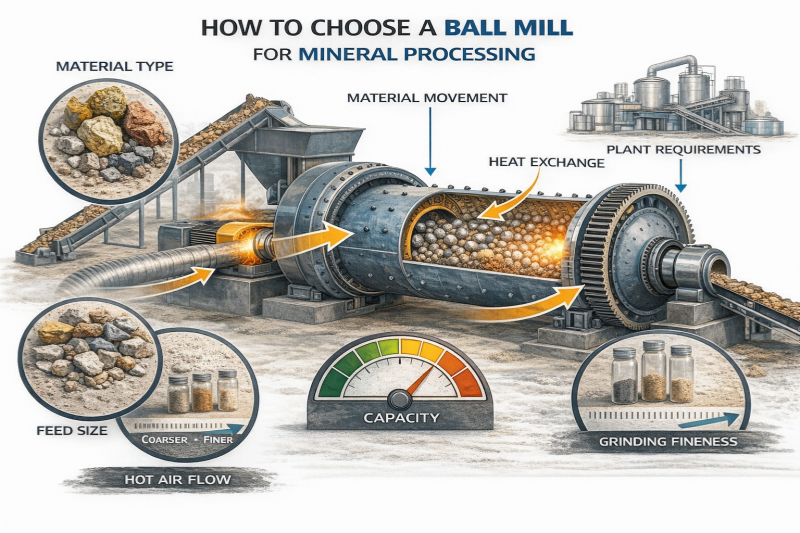
The first thing to consider is material type. Different ores behave differently during grinding. Some materials are hard and abrasive, while others are softer or easier to grind. Ore hardness directly affects mill selection, lining wear, energy demand, and grinding efficiency. Before choosing a model, the customer should understand the basic grinding characteristics of the ore.
The second important factor is feed size. A ball mill usually works after the crushing stage, so the feed material entering the mill should already be within a suitable size range. If the feed is too coarse, grinding efficiency may drop and the load on the mill may increase. This is why the ball mill should always be considered together with the crusher and classification system.
The third factor is required discharge fineness. Different mineral processing plants need different grinding results. Some plants need relatively coarse grinding before a simple separation stage, while others require finer grinding to achieve sufficient mineral liberation. The target fineness directly affects the size, speed, and operating logic of the ball mill system.
Another major factor is capacity requirement. Buyers should know the planned throughput in tons per hour or tons per day. Capacity influences the drum size, motor power, grinding media load, and supporting equipment. Choosing a ball mill that is too small may create a production bottleneck. Choosing one that is too large may increase investment and operating cost without practical benefit.
The grinding circuit design is also critical. A ball mill does not work alone. In many plants, it is paired with classification equipment to control product size and improve grinding efficiency. The whole grinding section should be designed according to plant goals, not just according to one machine specification.
Another important issue is energy consumption. Grinding is often one of the highest energy-consuming parts of a mineral processing plant. The selected ball mill should therefore not only achieve the required fineness, but do so with reasonable operating economy. Long-term performance is often more important than initial purchase price alone.
Buyers should also pay attention to liner and grinding media management. Wear part cost is a real part of ball mill operation. Different materials and grinding conditions can affect liner life and grinding media consumption. Easy maintenance and reliable component quality can make a significant difference over time.
A typical mineral processing grinding section may include: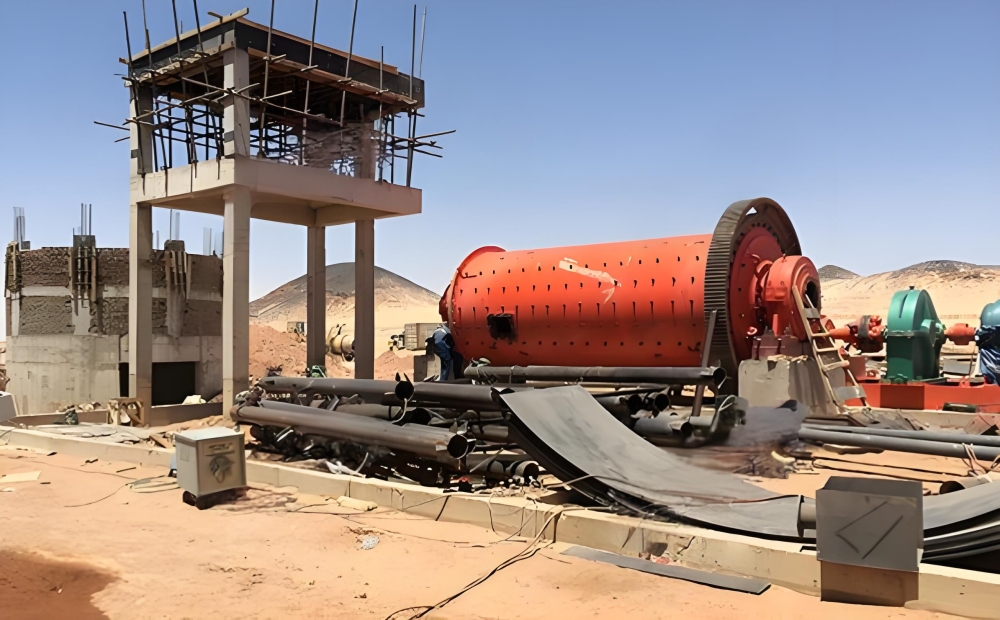
Crushing equipment before grinding
Ball mill
Classifier or related size-control equipment
Conveying system
Electrical control system
When choosing a ball mill, it is helpful to prepare the following information:
Ore type
Feed size after crushing
Required grinding fineness
Capacity target
Working hours per day
Downstream beneficiation method
Power condition and plant layout
The best ball mill is not simply the most powerful machine. It is the one that matches the ore characteristics, grinding target, and plant process. Good selection improves mineral liberation, stabilizes downstream separation, and reduces long-term operating problems.
In summary, choosing a ball mill for mineral processing requires a full understanding of ore properties, capacity, feed condition, and grinding goals. A properly selected mill is a foundation for efficient beneficiation plant operation.
At Sentai machinery, we help customers select ball mills based on actual ore conditions and plant requirements. A practical grinding solution should always be built around process matching, not guesswork.
Need help choosing a ball mill for your beneficiation plant? Contact Sentai machinery with your ore type, feed size, capacity, and fineness requirement for a suitable recommendation.
Related Articles
- Gold Ore Processing Plant Design: From Crushing to Separation
- How to Choose the Right Stone Crusher for Your Project
- Best Crusher for Granite and Hard Rock Processing

 WhatsApp
 Email
Email
 +86 15538010601