
STCrushers Is A Professional Minging Equipment Manufacturer since 2004, Providing High Quality Crushers, Sand Making Machines, Drying Equipment and more.
STCrushers Is A Professional Minging Equipment Manufacturer since 2004, Providing High Quality Crushers, Sand Making Machines, Drying Equipment and more.
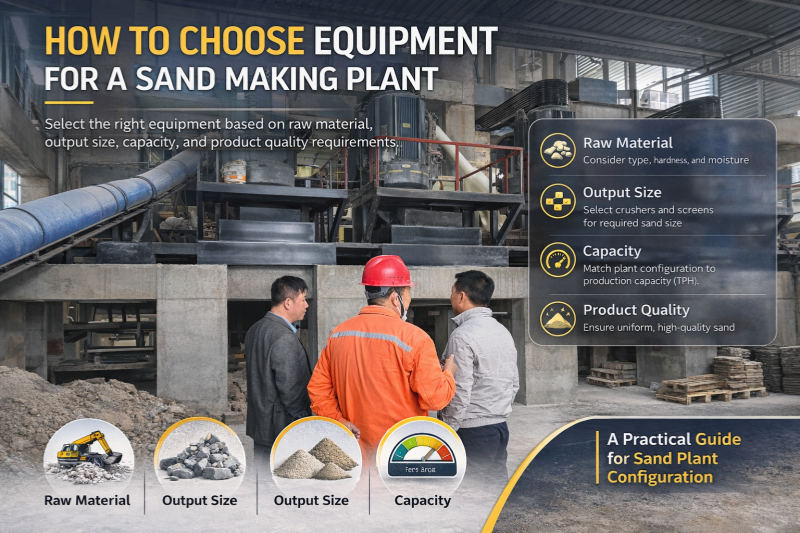
A sand making plant is designed to produce manufactured sand with controlled particle size, stable grading, and good grain shape. But a good result depends on more than choosing one sand making machine. The whole plant must be built around raw material characteristics, target capacity, final product standard, and site conditions.
So how should equipment be selected for a sand making plant? The answer starts with the raw material. Different stones such as limestone, granite, basalt, and river pebbles have very different crushing and shaping characteristics. Hard rock materials usually require stronger crushing and shaping equipment, while softer materials may allow a simpler and lower-cost process design.
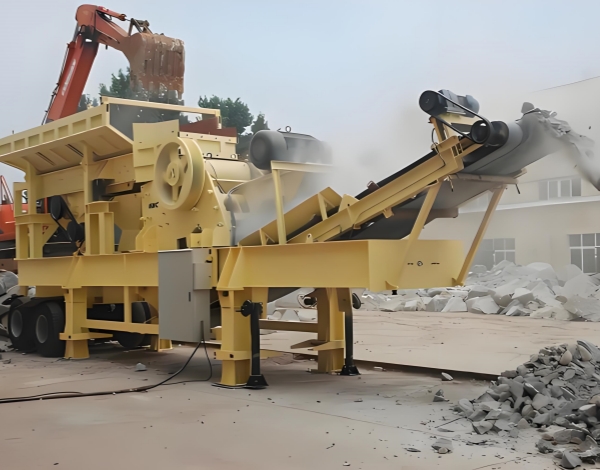
The first stage is usually feeding and primary crushing. If the raw material size is large, a jaw crusher is often used to reduce it to a size suitable for the next process. Stable feeding through a vibrating feeder is important because it helps the entire plant run more efficiently and reduces uneven load on the crushers.
After primary crushing, the material often goes through secondary crushing. This stage prepares the material for shaping and sand production. The exact equipment selected depends on the raw material hardness and the required final product. If the raw material is hard and abrasive, the process design should place special attention on wear resistance and final particle shape.
The core of the line is the sand making stage. This is usually where the plant creates the final manufactured sand and improves grain shape. In many projects, a VSI sand making machine is used for this purpose because it helps produce better-shaped aggregate and artificial sand. In some cases, other suitable sand making equipment may also be selected according to material condition and product requirement.
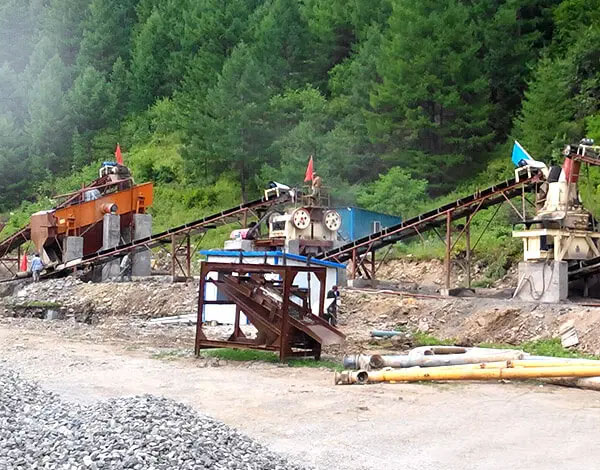
A complete sand making plant often includes: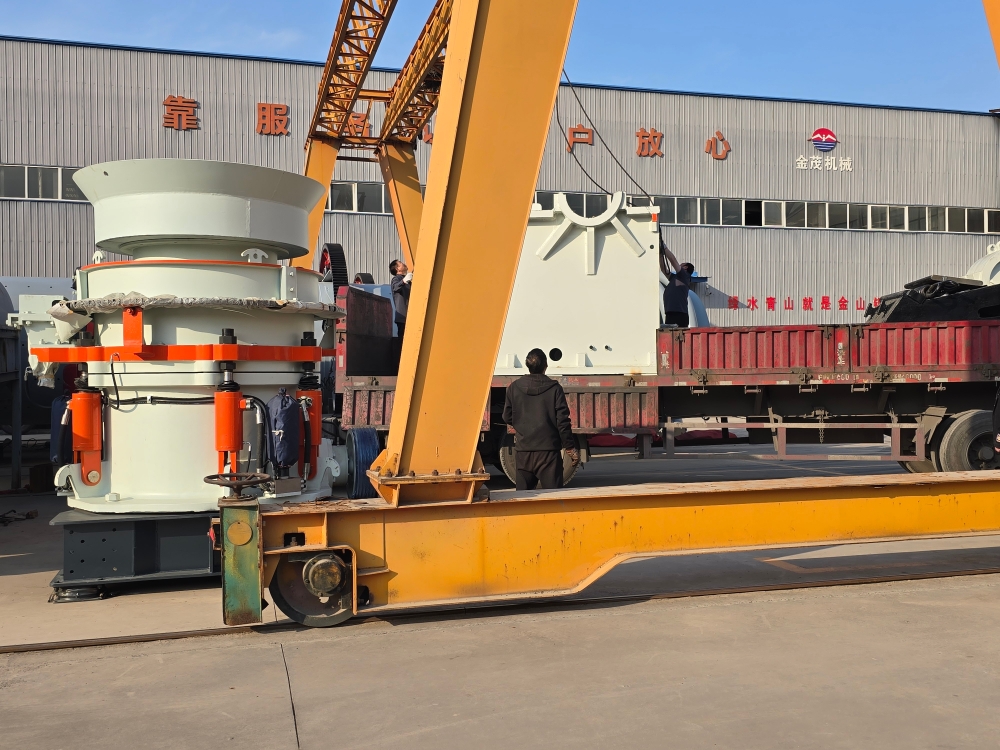
- Vibrating feeder
- Secondary crushing equipment
- Vibrating screen
- Belt conveyors
- Electrical control system
In some projects, a sand washing machine may also be added if the final product requires lower dust content or cleaner finished sand. This is especially useful for higher-standard applications such as concrete, dry mortar, or premium construction materials.
One of the most important factors in equipment selection is target capacity. A 50–100 tph sand making plant is very different from a 150–250 tph plant. The machine size, process arrangement, and return circuit should all match the required output. A poorly matched line may create bottlenecks, unstable output, or poor grain shape.
Another important issue is finished sand quality. Manufactured sand is not judged only by size. Grain shape, stone powder content, fineness modulus, and cleanliness also matter. If the plant is designed only for output without attention to shaping and screening, the final sand may not meet market requirements.
The screening stage is critical because it separates qualified sand from oversized particles. Oversized material can be returned for further crushing or shaping in a closed circuit. This return loop helps improve efficiency and keep product size more stable.
Buyers should also consider maintenance and wear cost. Sand production often involves strong impact and shaping action, especially with hard materials. Equipment selection should therefore consider not only purchase price, but also wear part replacement frequency, maintenance convenience, and long-term operating cost.
When selecting equipment for a sand making plant, it is helpful to prepare:
- Raw material type
- Feed size
- Required output size
- Capacity target
- Final use of the sand
- Whether washing is required
- Site layout and working conditions
In summary, choosing equipment for a sand making plant means designing a full process that matches material, capacity, and quality goals. A successful sand plant depends on proper coordination between crushing, shaping, screening, and possibly washing. The right process improves sand quality, reduces operating instability, and supports better long-term returns.
At Sentai machinery, we help customers select equipment for sand making plants according to actual production goals and material conditions. A properly matched sand production line can improve grain shape, stabilize output, and support different construction applications.
Planning a sand making plant? Contact Sentai machinery with your raw material, target output, and sand quality requirement for a suitable equipment configuration.
Related Articles
What Equipment Is Needed for a Sand Making Plant?

 WhatsApp
 Email
Email
 +86 15538010601